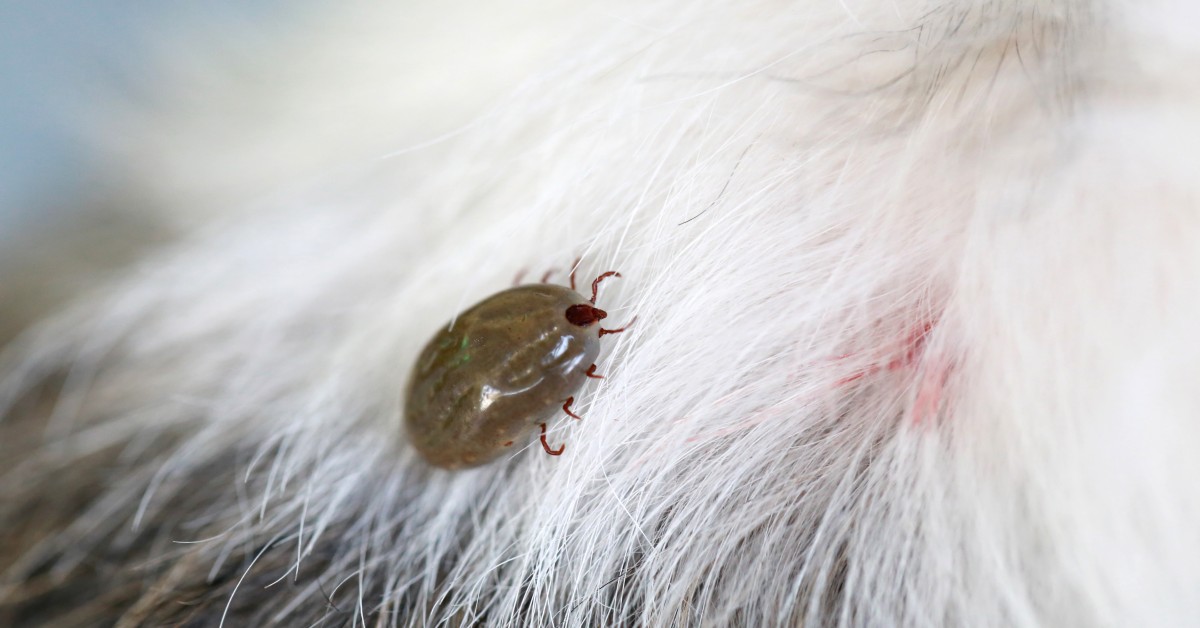
Spring Shedding Season in Cats: How to Manage Fur at Home
Learn how to manage your cat’s spring shedding and keep your home cleaner with simple, effective habits.
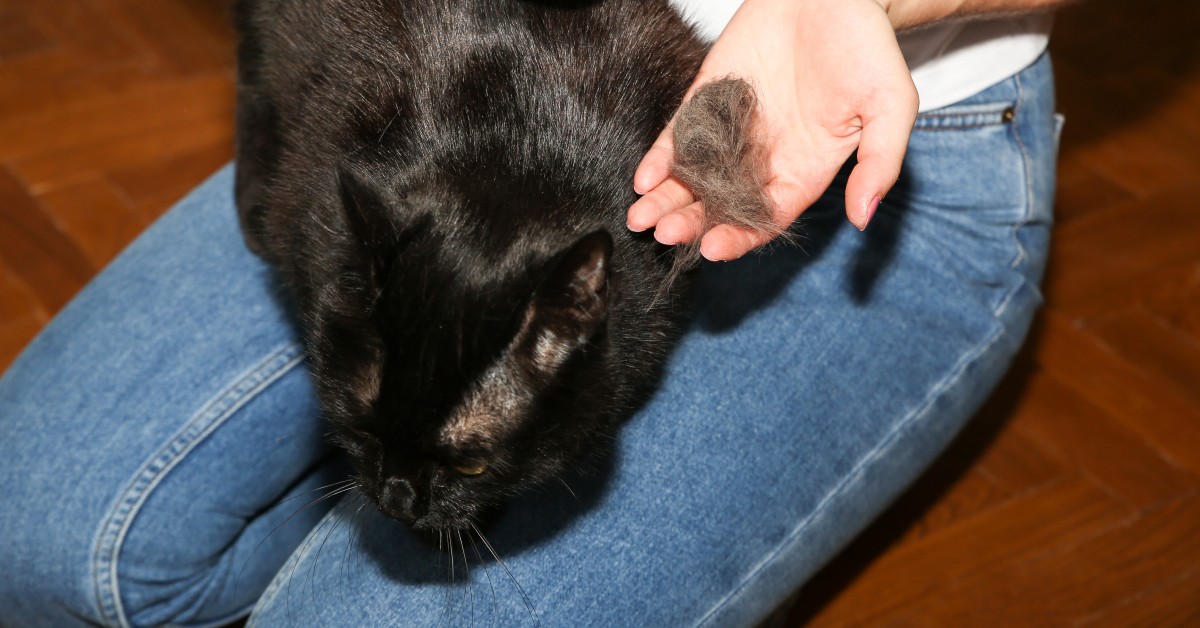
One day your cat looks sleek and tidy. The next day, your furniture, clothes, and floors are covered in a fine layer of fur. Spring shedding season has arrived, and for many cat owners, it can feel never ending.
As daylight increases and temperatures rise, cats begin to shed their heavier winter coats. This is a natural process. It helps them stay comfortable as the seasons change, but it can quickly take over your home if you are not prepared.
The good news is that you can manage it. With the right habits and tools, spring shedding becomes much easier to handle while also supporting your cat’s overall health.
Why Cats Shed More in Spring
Shedding is tied to light exposure more than temperature. As days get longer, your cat’s body receives signals to release its thick winter undercoat.
This process can last several weeks. Some cats shed lightly, while others seem to lose fur in clumps. Long haired breeds often show more noticeable shedding, but short haired cats are not exempt.
Indoor cats shed too. Artificial lighting can influence their cycles, so even cats that rarely go outside may still experience seasonal shedding.
The Importance of Regular Cat Grooming
Regular grooming is one of the best ways to control cat shedding. It helps capture loose hair before it spreads around your home or is ingested during your cat’s normal grooming routine.
Brush your cat several times a week during shedding season. For heavy shedders, daily brushing may be necessary. This not only reduces loose fur but also helps prevent mats and tangles.
Different coats require different tools. A slicker brush works well for long haired cats, while a rubber grooming brush can be more comfortable for short haired ones. Start slowly if your cat is not used to grooming. Short sessions with gentle handling can help them adjust. Over time, many cats begin to enjoy the routine.
Reducing Hairballs in Your Cat
When cats groom themselves, they swallow loose fur. During spring shedding, this can lead to more frequent hairballs. Regular brushing helps reduce this issue. The less loose fur on your cat, the less they ingest.
Hydration also plays a role. Make sure your cat has access to fresh water at all times. Some cats benefit from wet food, which adds moisture to their diet.
There are also hairball control formulas and treats available. These products can support digestion and help move fur through the system more easily.
Keeping Your Home Clean
Even with regular grooming, some fur will end up around your home. Staying on top of cleaning can make a big difference. Vacuum frequently. Focus on areas where your cat spends the most time, such as couches, beds, and favorite resting spots.
Lint rollers are useful for quick cleanups. Keep one near entryways or in your car for convenience. Wash bedding and blankets often. This helps control buildup and keeps your living space feeling fresh.
Air purifiers can also help reduce airborne fur and dander. This is especially useful for households with allergies.
Supporting Coat Health Through Good Nutrition
A healthy coat starts from within. Diet plays a major role in how much your cat sheds and the condition of their fur. Look for high quality cat food that includes essential fatty acids like omega 3 and omega 6. These nutrients support skin health and reduce excessive shedding.
Avoid frequent diet changes unless necessary. Consistency helps maintain balance in your cat’s system.
If you notice dull fur, excessive shedding, or dry skin, it may be worth discussing diet options with your veterinarian.
Bathing Your Cat and When It Helps
Most cats do not need regular baths. They are effective self-groomers and typically keep themselves clean. However, occasional bathing during heavy shedding can help remove loose fur. This should only be done if your cat tolerates water well.
Use a cat specific shampoo and ensure thorough rinsing. Any residue can irritate the skin.
If your cat strongly resists bathing, it is best to skip it. Stress can do more harm than good.
Managing Shedding in Multi-Cat Homes
If you have more than one cat, shedding can feel amplified. Multiple coats mean more fur, especially during spring.
Establish a grooming routine for each cat. This keeps shedding under control and prevents it from building up all at once. Designate specific resting areas with washable covers. This helps contain fur and makes cleaning easier.
Consistency is key. A little effort each day can prevent overwhelming messes later.
When Cat Shedding Might Signal a Problem
Seasonal shedding is normal, but excessive or unusual hair loss can be a sign of something else.
Watch for bald spots, redness, or constant scratching. These may indicate allergies, parasites, or skin conditions. Sudden changes in shedding patterns should not be ignored. If something seems off, consult your veterinarian for guidance.
Early attention can prevent minor issues from becoming more serious.
Making Cat Shedding Season Manageable
Spring shedding is a natural part of your cat’s life. It may not be avoidable, but it can be controlled. A combination of regular grooming, proper nutrition, and consistent cleaning can make a noticeable difference. These habits not only keep your home cleaner but also support your cat’s comfort and health.
Over time, you may even find a routine that works so well that shedding season becomes just another manageable part of your pet care routine.
Ready to start saving money on pet wellness care?
Then take a look at Mint Wellness, the pet wellness plan that provides fast reimbursement on routine pet care. Save on vaccinations, wellness exams, preventatives, dental, and more!
Learn More