
Springtime Parasites to Watch Out for in Dogs and Cats
Keep your pets healthy and parasite-free as we head into spring with some simple tips.
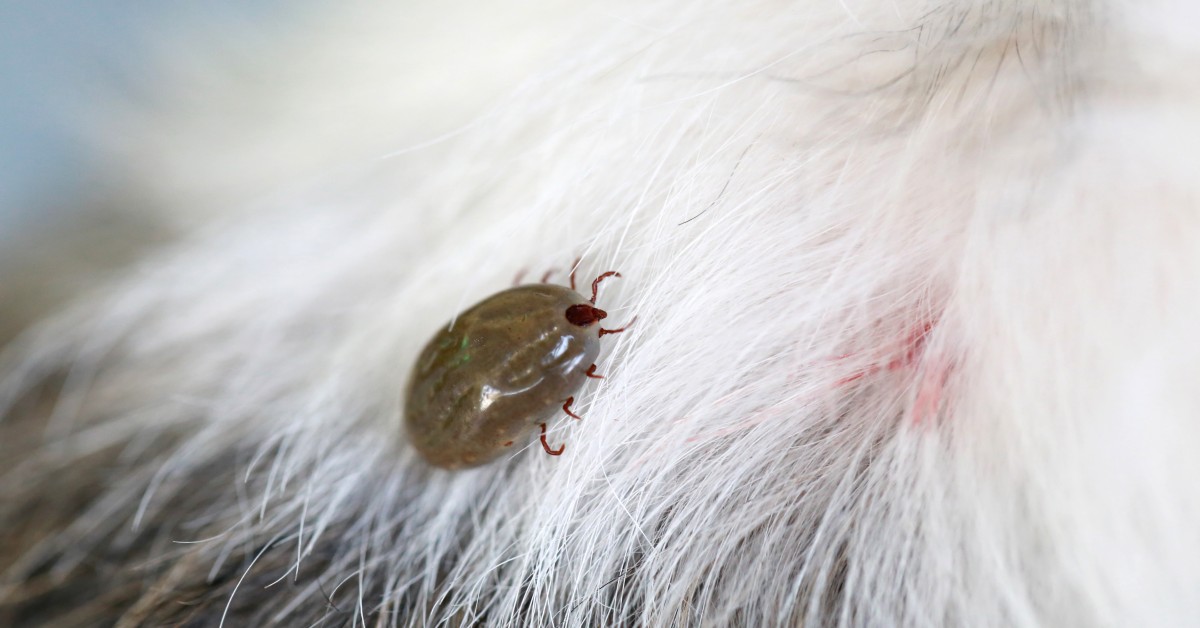
The first warm afternoon arrives, and your pet wastes no time racing through the yard, nose to the ground, chasing scents that have been hidden all winter. It feels like freedom. It also quietly marks the return of parasites that thrive in the same sunshine your pet loves.
Spring is a season of renewal, but it is also prime time for fleas, ticks, and other pests to reappear in full force. Let’s walk through the most common springtime parasites, how they affect your pet, and what you can do to keep them safe.
Fleas: Small but Relentless
Fleas are often the first parasites to make an appearance when the weather warms up. They multiply quickly, and a small problem can turn into a full infestation in a matter of weeks. One flea can lay dozens of eggs each day, and those eggs can end up in carpets, bedding, and furniture.
Dogs and cats with fleas may scratch more than usual, bite at their skin, or develop small red bumps. Some animals are allergic to flea saliva, which can lead to intense itching and skin irritation. Even indoor pets are not completely safe. Fleas can be carried inside on shoes, clothing, or other pets.
Regular grooming helps you spot fleas early. A fine-tooth comb can reveal flea dirt, which looks like tiny black specks. Preventative treatments, whether topical or oral, are one of the most effective ways to stay ahead of a flea problem.
Ticks: Quiet and Dangerous
Ticks are not just a nuisance. They can carry serious diseases that affect both pets and humans. As grass and wooded areas come back to life in spring, ticks become more active and easier to encounter during walks or outdoor play.
Unlike fleas, ticks do not move around much once they attach. They latch onto the skin and feed slowly. This makes them harder to notice unless you are actively checking your pet. Common places to look include around the ears, under the collar, between toes, and along the belly.
Some ticks can transmit illnesses such as Lyme disease. Early symptoms in pets may include lethargy, joint stiffness, or loss of appetite. Checking your pet after time outdoors is a simple habit that can make a big difference.
Heartworms: A Hidden Threat for Dogs and Cats
Heartworms are transmitted through mosquito bites, and spring marks the beginning of mosquito season in many areas. This parasite is particularly dangerous because it lives inside the heart and lungs, often without obvious symptoms in the early stages.
Dogs are especially vulnerable to heartworms, though cats can be affected as well. Over time, heartworm disease can lead to serious complications, including heart failure. Treatment can be difficult and expensive, which makes prevention the better option.
Monthly preventative medications are widely recommended by veterinarians. These treatments are designed to stop heartworm larvae before they develop into adult worms. Even if your pet spends most of its time indoors, prevention is still important as mosquitoes can easily find their way inside.
Intestinal Parasites: More Common Than You Think
Springtime often means more time spent in parks, backyards, and other shared spaces. This increases the risk of exposure to intestinal parasites like roundworms, hookworms, and giardia. These parasites are typically picked up through contaminated soil, water, or feces.
Some dogs and cats show obvious symptoms, such as diarrhea, vomiting, or weight loss. Others may seem completely normal while still carrying parasites. Puppies and kittens are especially at risk, as their immune systems are still developing.
Routine veterinary checkups and fecal tests can help catch these parasites early. Keeping your pet’s environment clean and discouraging behaviors like scavenging or drinking from puddles can also reduce exposure.
Mites: The Cause of Hidden Irritation in Dogs and Cats
Mites are tiny parasites that can cause big discomfort. They live on or under the skin and can lead to conditions like mange or ear infections. Spring can trigger an increase in mite activity, particularly in environments where animals come into close contact with one another.
Symptoms vary depending on the type of mite. Some dogs and cats may experience hair loss, redness, or intense itching. Others may develop crusty patches of skin or frequent ear scratching.
If you notice unusual skin changes, it is best to consult a veterinarian. Treatment is usually straightforward once the problem is identified, but early action helps prevent the issue from spreading or worsening.
Simple Ways to Protect Your Pet From Parasites
Keeping your pet safe from springtime parasites doesn’t have to be complicated. A few consistent habits can go a long way.
Start with a reliable preventative plan. Talk to your veterinarian about flea and tick prevention as well as heartworm medication. These products are designed to stop problems before they begin.
Make grooming part of your routine. Brushing your pet regularly not only keeps their coat healthy but also helps you spot any changes early. It is also a good opportunity to check for ticks or skin irritation.
Keep your home and yard clean. Washing pet bedding, vacuuming floors, and maintaining outdoor spaces can reduce the number of parasites in your environment. Simple steps like mowing the lawn and removing debris can make your yard less inviting to ticks.
Finally, stay observant. You know your pet better than anyone. If something seems off, whether it is a change in behavior or a new physical symptom, it is worth paying attention.
A Healthier Season Ahead
Spring should be a time of joy for both you and your pet. Longer days, fresh air, and outdoor adventures are some of the best parts of the season. With a little awareness and preparation, you can enjoy it all without worrying about the parasites that come along with it.
Ready to start saving money on pet wellness care?
Then take a look at Mint Wellness, the pet wellness plan that provides fast reimbursement on routine pet care. Save on vaccinations, wellness exams, preventatives, dental, and more!
Learn More