Can Pets Eat Spring Fruits and Vegetables? What’s Safe and What’s Not
Learn which spring fruits and vegetables can be safely shared with dogs and cats and which ones should stay off the menu.
As the weather warms up and spring produce becomes more available, many pet owners wonder if these foods are safe to share with their animals. While some fruits and vegetables can provide essential nutrients and hydration, others can cause digestive issues or even be toxic. Knowing which options are safe and how to properly serve them to your pets is an important part of responsible pet care.
Safe Spring Fruits for Dogs and Cats
Several spring fruits can be a healthy snack for dogs and cats when offered in moderation. The key is serving them plain and in small amounts.
Strawberries
Fresh strawberries are one of the safest spring fruits for dogs. They contain fiber, antioxidants, and vitamin C. Their natural sweetness makes them appealing, especially to dogs that enjoy soft treats. Wash them thoroughly, remove the stems, and cut them into small pieces to prevent choking.
Cats are less likely to show interest in strawberries because they do not taste sweetness the way dogs do. If a cat does nibble a small piece, it is usually harmless.
Blueberries
Although available in many seasons, blueberries remain a favorite during spring. They are low in calories and packed with antioxidants. Many dogs enjoy them frozen as a cool snack. As they are small, they are easy to portion.
Cats can also eat blueberries, though many simply ignore them.
Watermelon
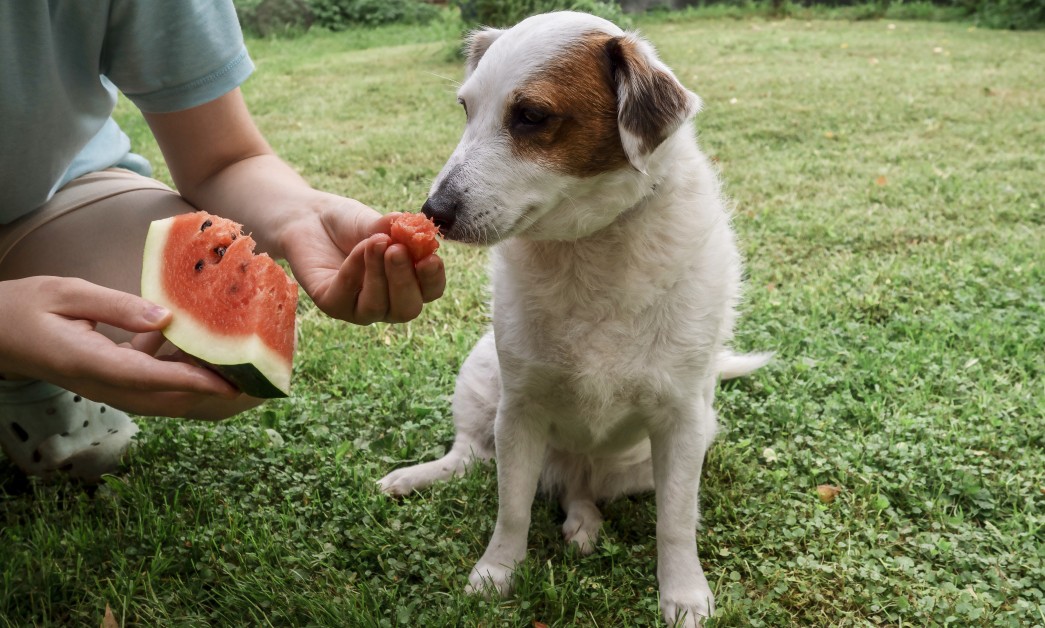
As temperatures rise, watermelon can be refreshing for dogs. It contains a high water content, making it helpful for hydration. Always remove the seeds and rind first. The flesh itself is generally safe in small servings.
Too much fruit can still cause loose stool, so even safe options should stay an occasional snack.
Safe Spring Vegetables for Pets
Vegetables can be a nutritious addition to your pet care routine when chosen carefully. Some are surprisingly beneficial.
Carrots
Carrots are one of the best vegetables for dogs. They are crunchy, low in calories, and can help support dental health by reducing plaque buildup. Raw carrot slices work well for larger dogs, while steamed pieces are easier for smaller pups.
Cats can eat carrots too, but they should be cooked first because raw carrots can be difficult for them to chew.
Green Peas
Peas are often included in premium pet food because they contain vitamins and plant protein. Sugar snap peas, garden peas, and snow peas are usually safe for dogs and cats.
Serve them plain without butter, salt, or seasoning. Canned peas should be avoided because of added sodium.
Cucumbers
Cucumbers are technically fruits, despite many believing they are vegetables. They are low in calories and high in water. This makes them a smart choice for overweight dogs who still enjoy crunchy snacks.
A few thin slices can be enough.
Fruits and Vegetables to Avoid
Not every spring produce item should be implemented into your pet’s diet. Some can be dangerous even in small amounts.
Grapes and Raisins
Grapes and raisins are toxic to dogs and should never be offered. Even in small quantities, they can lead to kidney failure, and the exact reason remains unknown, making them particularly dangerous.
As the reaction can happen quickly, it is safest to avoid them completely.
Cherries
Cherry flesh is not highly toxic, but the pits, stems, and leaves contain compounds that can release cyanide. They also pose a choking hazard.
For that reason, cherries are not worth the risk.
Onions and Garlic
Onions, garlic, leeks, and chives can cause red blood cell damage in both dogs and cats. These ingredients are toxic whether they are raw or cooked.
Even small, repeated exposure can become dangerous over time.
Rhubarb
Rhubarb often appears in spring desserts, but it can be harmful to pets. The leaves contain oxalates that may affect the kidneys and nervous system.
Keep garden rhubarb well out of reach.
How to Introduce New Foods Safely
Even safe produce can cause stomach upset if introduced too quickly. Pets have sensitive digestive systems, and sudden changes may lead to vomiting or diarrhea.
Start with a tiny piece. Then watch your pet for several hours before offering more. This simple step can help you spot a food intolerance early.
Preparation matters too. Wash all produce thoroughly to remove pesticides or dirt. Remove seeds, pits, stems, and tough skins when needed. Avoid seasoning entirely as salt, oils, and spices can make healthy produce unhealthy for animals.
Treat fruits and vegetables as extras, not meal replacements. For most pets, treats should make up no more than ten percent of daily calories.
When to Call Your Veterinarian
Sometimes a pet eats something before you can stop them. If your dog or cat eats a toxic fruit or vegetable, contact your veterinarian right away. Signs of trouble can include drooling, vomiting, weakness, diarrhea, or unusual behavior. It is always better to ask quickly than wait too long.
Spring produce can be a fun way to share the season with your pet. With a little caution, fresh snacks can become part of a healthy pet lifestyle while keeping your furry companion safe.
Ready to start saving money on pet wellness care?
Then take a look at Mint Wellness, the pet wellness plan that provides fast reimbursement on routine pet care. Save on vaccinations, wellness exams, preventatives, dental, and more!
Learn More