Getting Your Pet Active Again After Winter
Simple ways to help your pet safely rebuild strength and energy after a slower winter season.
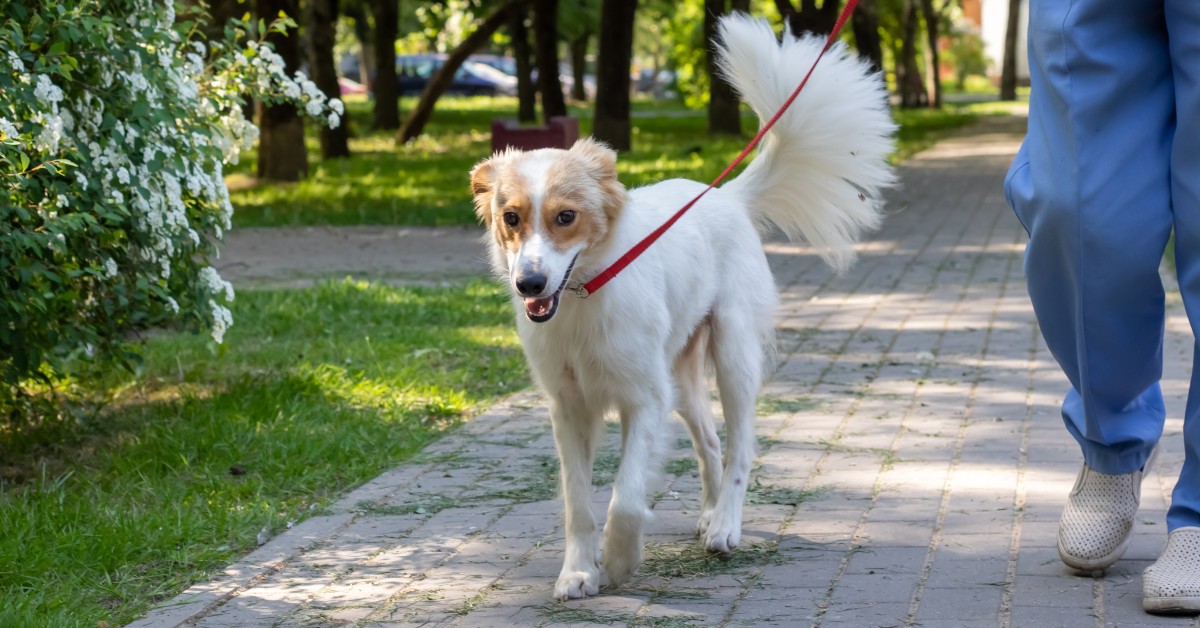
The leash comes out, and your pet’s ears perk up like no time has passed at all. Then the walk starts, and you realize winter may have slowed things down more than you thought.
Colder months tend to shift routines. Shorter walks, fewer outdoor adventures, and more time curled up inside can leave both dogs and cats a little out of shape by the time spring arrives. Getting your pet moving again is not about jumping back into long hikes right away. It is about rebuilding strength, stamina, and confidence at a pace that feels natural. Here is how to ease your pet back into an active lifestyle while keeping things safe and enjoyable.
Start Slow and Pay Attention
It can be tempting to make up for lost time. A long walk on the first warm day sounds like the perfect plan, but it can be too much too soon.
Begin with shorter sessions. A ten to fifteen minute walk is a good starting point for many dogs, especially if they have been less active during winter. Watch how your pet responds. If they seem energized and recover quickly, you can gradually increase the duration.
Cats need a different approach. Short bursts of play work best. A few minutes with a wand toy or a laser pointer can help rebuild coordination and stamina without overwhelming them.
Rebuild Strength Through Routine
Consistency matters more than intensity. A daily routine helps your pet regain fitness without putting stress on their body.
Try to schedule activity at the same time each day. Pets thrive on predictability, and it can make the transition smoother. Morning walks or evening play sessions create a rhythm that your pet will come to expect.
Mix up the type of activity. Walking is great, but adding light games like fetch or gentle tug can engage different muscle groups. For cats, rotating toys keeps things interesting and encourages movement.
Make Outdoor Time Interesting Again
Winter can dull your pet’s enthusiasm for the outdoors, especially if they associate it with cold temperatures and limited activity. Spring is your chance to change that.
Let your dog explore. Sniffing is a form of mental exercise, and it can be just as important as physical movement. A slower walk with plenty of time to investigate scents can be more beneficial than a fast paced loop around the block.
For cats that are comfortable with it, supervised outdoor time or a secure enclosure can provide new stimulation. Even watching birds from a window perch can encourage natural behaviors and movement.
Watch Weight and Adjust Diet
Less activity during winter can lead to weight gain. Extra pounds put added strain on joints and can make it harder for your pet to get moving again.
Take a moment to assess your pet’s body condition. You should be able to easily feel their ribs with light pressure, and a slight waistline should be noticeable when looking down from above.
As activity increases, you may need to adjust portion sizes. Some pets benefit from slightly more food to support their energy needs, while others may need a controlled diet to shed excess weight.
Keep Joint Health in Mind
After a less active season, joints can feel stiff. This is especially true for older pets or breeds that are prone to joint issues.
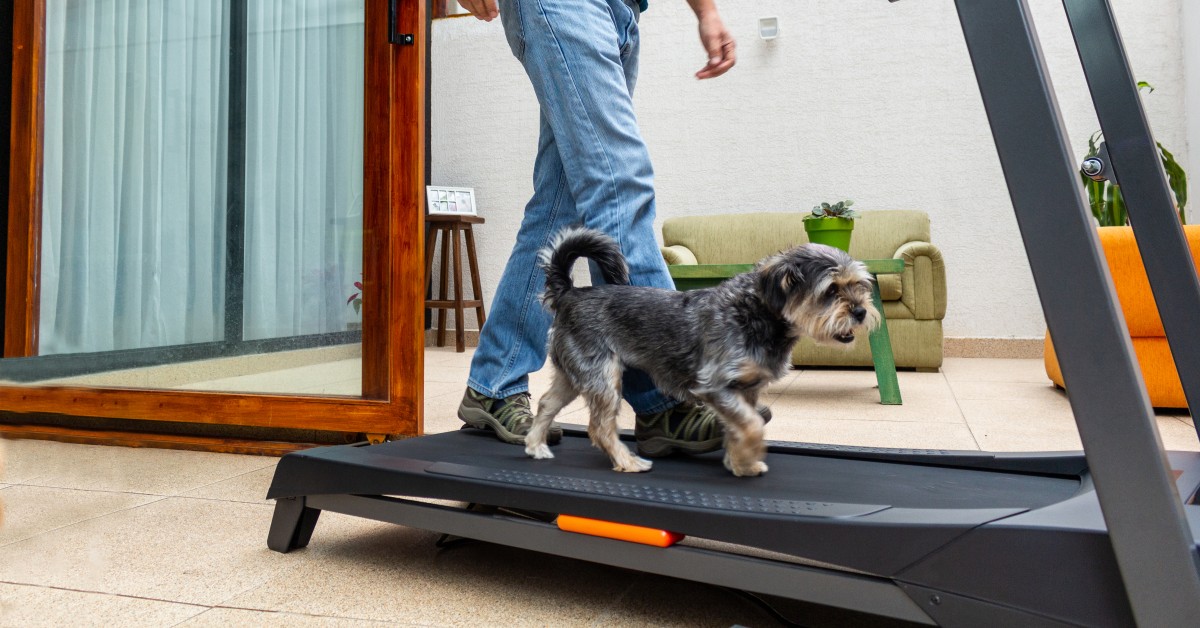
Warm up before longer activities. A few minutes of slow walking or gentle play can prepare muscles and joints for more movement. It may seem like a small step, but it can help prevent discomfort.
Soft surfaces are easier on the body. Grass or dirt trails are often better than hard pavement, particularly during longer walks.
If your pet shows signs of stiffness, limping, or hesitation, it may be worth checking in with a veterinarian. Early attention can prevent bigger issues later.
Turn Activity Into a Bonding Experience
Getting active again is not just about physical health. It is also an opportunity to reconnect after a quieter season.
Use this time to engage with your pet. Talk to them during walks, encourage them during play, and celebrate small milestones. Positive reinforcement builds confidence and strengthens your bond.
Training can also be part of your routine. Simple commands or new tricks add mental stimulation and keep your pet focused. Even a few minutes a day can make a difference.
For multi-pet households, group activities can be fun as long as all animals are comfortable. Shared walks or play sessions can build positive interactions.
Stay Flexible and Patient
Every pet is different. Age, breed, health, and personality all play a role in how quickly they bounce back from a slower season.
Some pets will be ready to go almost immediately. Others will need more time. That is completely normal.
Avoid comparing your pet to others. Focus on their progress and adjust your approach as needed. Progress might look like a longer walk, more enthusiasm, or simply a willingness to engage.
Weather can also be unpredictable in early spring. On days when outdoor activity is limited, indoor games can fill the gap. Hide and seek, puzzle toys, or short training sessions keep your pet moving.
A Fresh Start for Both of You
Spring offers a natural reset. It is a chance to step outside, breathe fresh air, and build healthier habits together. By easing back into activity, you help your pet avoid injury and build lasting endurance. More importantly, you create moments of connection that go beyond exercise.
Ready to start saving money on pet wellness care?
Then take a look at Mint Wellness, the pet wellness plan that provides fast reimbursement on routine pet care. Save on vaccinations, wellness exams, preventatives, dental, and more!
Learn More