Keeping and Caring for Your Pet Gerbil
Keeping a gerbil is easy once you know how to give this little mammal what it needs.
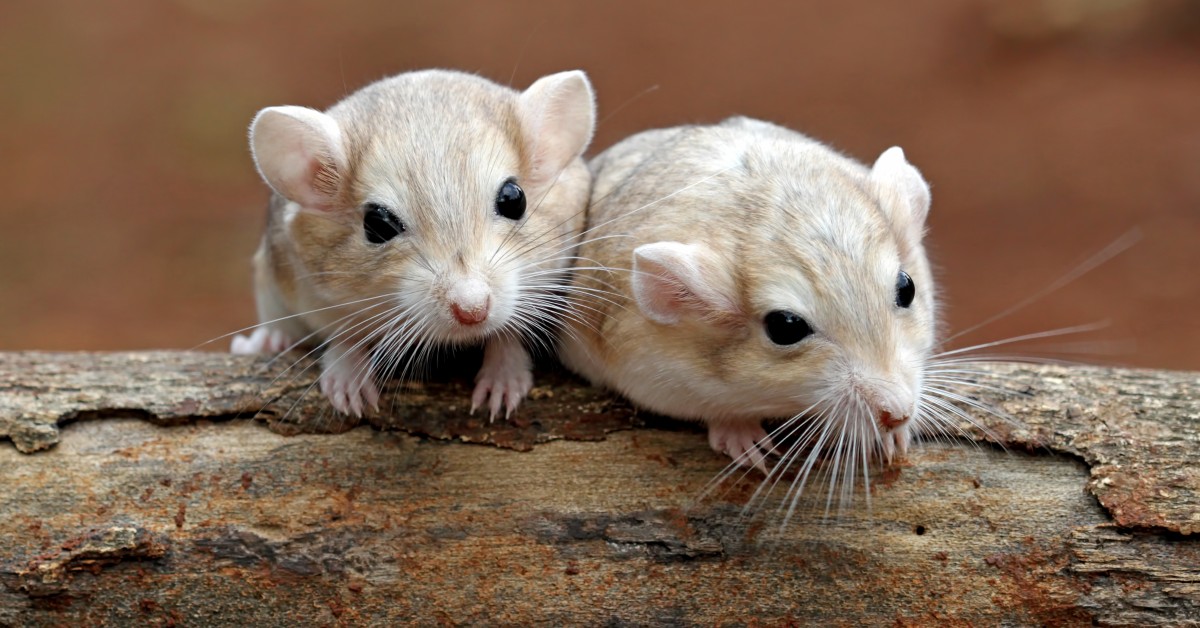
If you're interested in adopting a different type of pet than the standard dog or cat, but you also want an animal that's easy and fun to care for, consider the ever-popular gerbil. Gerbils are cute, active, sociable creatures small enough to live happily in the most modest apartment and intelligent enough to respond to training. Like all pets, however, they have their own special set of needs that prospective owners need to understand in advance. Let's take a look at what you need to know when keeping and caring for a gerbil.
Gerbils 101
Gerbils are classified as rodents, along with rats, mice, and other little mammals that make popular pocket pets. These burrowing animals are native to Asian, African, and Indian desert regions. (The species most commonly domesticated is the Mongolian gerbil.) A healthy pet gerbil can enjoy a lifespan of up to five years.
A typical gerbil has a body up to four inches in length, but its tail may grow as long as the rest of it. Gerbils tend to be active during daylight hours. Their long legs serve them well for their favorite activity, digging, but their furred feet limit their agility somewhat. These sociable creatures seem happiest in pairs, although you should introduce your gerbils to each other at the young age of five to six weeks, before they develop aggressive territorial instincts.
Setting Up the Ideal Environment for Your Gerbil
An adult gerbil thrives in an enclosure at least 30 inches wide, 18 inches long, and 12 inches high. A pair of gerbils will need 20 gallons of enclosure space. Because gerbils can chew up plastic and damage their mouths when trying to chew wire, you should go with a ventilated glass habitat for your new pet. Place the enclosure away from strong sunlight or heat sources, keeping your home's temperature range below 80 degrees Fahrenheit.
To satisfy your gerbil's burrowing instincts, fill the bottom third of its enclosure with fluffy, porous bedding. Shredded paper is a healthier choice of bedding material than any kind of wood product. Beneath the bedding, line the bottom of the enclosure with an absorbent layer to collect urine. (You'll be happy to learn that gerbils don't urinate in great quantities, making it relatively easy for their owners to keep their enclosures clean.)
Feeding Your Gerbil
Gerbils are omnivorous, meaning that they can get their nutrition from both meat and non-meat sources. Even so, your best bet for keeping your gerbil healthy is to feed it commercially-produced rodent food in pellet form. These pellets are formulated to provide the right balance of vitamins and minerals.
But your gerbil need not live on pellets alone. Feel free to give your pet occasional treats such as sunflower seeds, pumpkin seeds, and bits of carrot, cucumber, melon, oranges, apples, and pears. These tidbits will come in especially handy as incentives when training your gerbil (see below). Don't forget to provide a ready source of clean drinking water.
Gerbil Training and Interaction
As naturally social as gerbils may be, they're so active that they don't spend much time in one place -- such as sitting in their owner's lap, for example. But you can train your gerbil to interact with you, using both treats and time outside the enclosure as rewards.
Start by scooping your gerbil out of the enclosure (gently) with both hands and putting it down near you. Then offer your arm as a kind of ladder for it to climb in and out of the enclosure. Eventually your gerbil will feel comfortable crawling all over you and resting in your hands. Make sure to offer a treat whenever it does what you want it to do.
Believe it or not, you can actually litter box train a gerbil. Purchase some chinchilla dust bath product from your local pet store, then fill a small, shallow container with it and place it in one corner of the enclosure. Your gerbil may naturally select this material as its "toilet." Remember to reward it for going in the right place.
Gerbil Health Considerations
Gerbils are predisposed to certain health issues worth knowing about. For instance, some gerbils experience epileptic seizures, but thankfully these seizures aren't usually too serious. They also get a kind of facial eczema called nasal dermatitis or "sore nose." Cancers can develop in gerbils, though not as frequently as in other pet rodents.
You need to recognize the signs of a potential gerbil health issue. Look for symptoms such as severe seizures, eye or nasal discharge, loss of appetite, skin growths, obvious wounds, missing tail skin, and dental or digestive irregularities. Any of these signs merit a trip to a veterinary clinic for evaluation.
Introduce Your Gerbil to an Exotic Animal Vet
Gerbils, rats, mice, and other small mammals fall into the category of "pocket pets." Not every veterinarian can or will provide healthcare for this category of animal. Make sure to locate a vet who specializes in exotic animals before even thinking about adopting a gerbil. This vet can perform wellness exams, diagnose problems, and dispense welcome advice on gerbil care.
Ready to start saving money on pet wellness care?
Then take a look at Mint Wellness, the pet wellness plan that provides fast reimbursement on routine pet care. Save on vaccinations, wellness exams, preventatives, dental, and more!
Learn More