Winter Heating Solutions for Reptile Tanks: Avoiding Common Mistakes
Keep your cold-blooded pets warm, safe, and stress-free when temperatures start to drop.
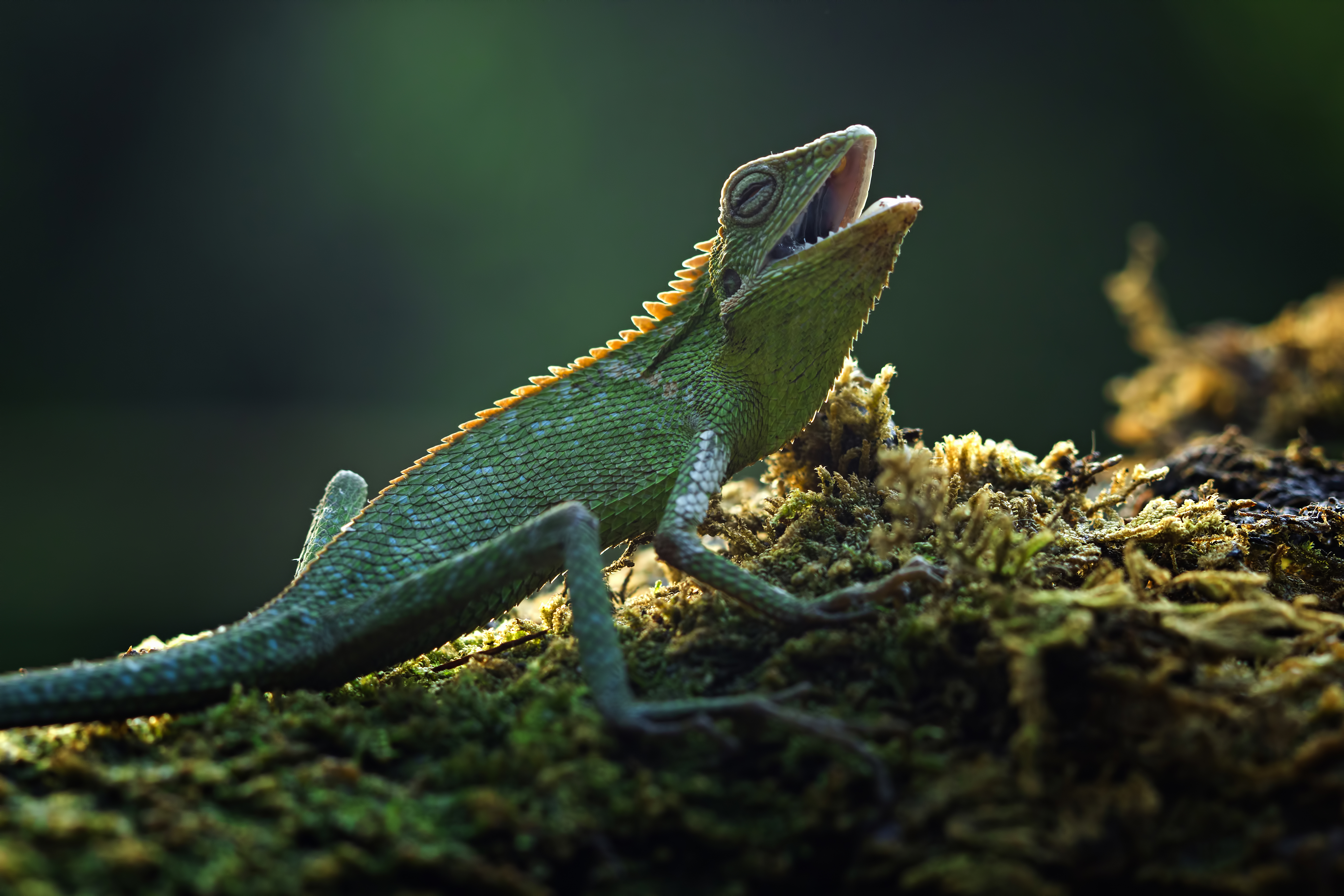
Winter is the most dangerous season for heating mistakes in reptile enclosures. Without proper adjustments, even experienced owners can unintentionally put their reptiles at risk. Fortunately, most winter heating problems are preventable once you understand what to watch for and what to avoid.
Why Winter Heating Is Important for Reptiles
Reptiles are ectothermic, meaning they depend on external heat sources to regulate their body temperature. In winter, colder ambient temperatures can throw off their digestion, immune system, activity levels, and even breathing.
If a reptile tank isn’t properly heated during winter, you may notice your pet behaving oddly. They may appear lethargic or refuse to eat, often due to slowed digestion or constipation. In the winter, reptiles are more susceptible to illness, and improper heating can contribute to sickness.
You may also notice that your pet isn’t shedding normally. Improper shedding happens when a reptile can’t fully shed its old skin due to poor heat or humidity, often leaving stuck patches that can restrict movement, cut off circulation, or lead to infection.
Common Winter Heating Mistakes in Reptile Tanks
#1: Relying on Room Temperature
One of the biggest mistakes reptile owners make is assuming that heating their home is enough. While your living room may feel comfortable to you, it’s often several degrees below what most reptiles require.
Room temperatures can fluctuate overnight, near windows, and when power-saving settings are used on thermostats. Tanks placed against exterior walls are especially vulnerable. Even a short nighttime temperature dip can stress a reptile.
To keep your pet warm and comfortable throughout the season, use dedicated heat sources inside or attached to the enclosure. Remember, room temperature should support the setup, not replace it.
#2: Using the Wrong Heat Source
Not all heaters are created equal, and choosing the wrong one can cause uneven temperatures or serious burns. Heat rocks, for example, are notorious for overheating and causing belly burns. Space heaters pointed at reptile tanks are also risky and unreliable.
Better winter heating options include:
- Ceramic heat emitters for nighttime warmth
- Under-tank heaters for belly heat (used with thermostats)
- Radiant heat panels for larger enclosures
- for daytime temperature gradients
The best reptile tank setup often uses more than one heat source to create stable zones rather than a single hot spot.
Creating Proper Temperature Gradients in Winter
A common misconception is that reptiles just need “warmth.” In reality, they need temperature gradients, meaning a warm basking area and a cooler side to self-regulate. Winter makes this trickier as cold air pulls heat from the enclosure faster. Without proper planning, the entire tank can become uniformly cool or dangerously hot in one area.
To help maintain gradients, always use thermostats on heating devices, and monitor temperature at multiple points, not just one. Position your heat sources on only one end of the tank, and insulate the back and sides of the enclosure if needed. Taking these steps will allow your pet to move naturally between temperatures.
#3: Skipping Thermostats
Thermostats are not optional, especially in winter. Many heating devices continue to output heat regardless of ambient conditions. As your home heating cycles on and off, tank temperatures can spike or crash.
Without a thermostat, you risk overheating during daytime heating cycles, dangerous cold drops at night, and equipment that runs constantly and fails early. Investing in thermostats with probes placed at reptile level is one of the smartest winter upgrades you can make.
What to Know About Nighttime Heating
Winter nights are when most heating problems occur. Turning off all heat sources after dark can be dangerous, especially for tropical species that never experience cold nights in nature. However, bright lights at night can disrupt a reptile’s circadian rhythm.
The solution is to use lightless heat sources such as ceramic heat emitters or radiant heat panels for nighttime warmth. These provide consistent heat without disturbing sleep cycles. Also, always check your species’ nighttime temperature tolerance, as some reptiles can benefit from a mild drop, but not a drastic one.
Managing Humidity Alongside Heat
Winter heating often dries out the air, and reptiles are extremely sensitive to humidity changes. Increased heat without proper humidity control can lead to dehydration, respiratory issues, and shedding problems.
To maintain balance, use larger water bowls to increase evaporation and consider using humid hides or mist enclosures, depending on the species.
Also, regularly monitor the humidity levels in the enclosure with a hygrometer. Remember that heat and humidity work together, not separately. Adjusting one without considering the other is a common winter mistake.
Power Outages and Emergency Winter Planning
Winter storms bring power outages, and a few hours without heat can be dangerous for reptiles. Many owners don’t plan for this until it happens.
Smart emergency steps include:
- Keeping insulated blankets or towels to wrap tanks
- Using heat packs (wrapped and monitored)
- Having a battery-powered thermometer on hand
- Knowing which reptiles are most heat-sensitive
How to Tell If Your Reptile Is Too Cold
Even with good equipment, it’s important to watch your reptile’s behavior. Signs of inadequate heating often appear before temperatures seem “too low” on a gauge.
Watch for signs that your pet may be too cold, such as prolonged hiding or reduced movement. Some reptiles may show a lack of appetite, have poor digestion, or may regurgitate their meals.
Keep Your Reptile Warm This Winter Season
Winter heating doesn’t have to be complicated, but it does require attention. Avoiding common mistakes, such as relying on room temperature, skipping thermostats, or ignoring nighttime heat, can make a dramatic difference in your reptile’s health and comfort. Consistency is the key to winter reptile care, and the right heating setup makes all the difference.614536
Ready to start saving money on pet wellness care?
Then take a look at Mint Wellness, the pet wellness plan that provides fast reimbursement on routine pet care. Save on vaccinations, wellness exams, preventatives, dental, and more!
Learn More