
Ask Dr. Jenn: Do Straws Really Kill Sea Turtles?
Whenever we go out to eat, my daughter immediately tells our server not to give us any straws. “Spare a straw, save a sea turtle,” she tells them. Is there any truth to that? Do straws really kill sea turtles?
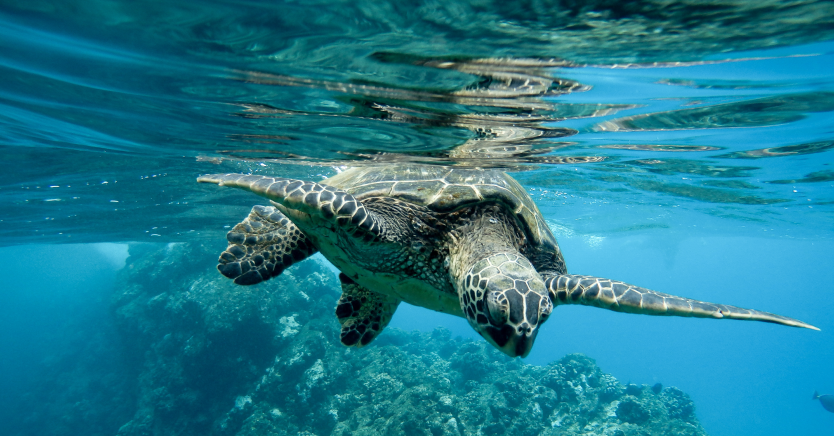
The “Spare a straw, save a sea turtle” campaign was inspired by a viral video from 2015. This short video shows a researcher removing a plastic straw from the nostril of a sea turtle swimming off the coast of Costa Rica. The video has been viewed over 100 million times and has brought awareness to the dangers single use plastics pose to wildlife and our oceans.
Single use plastics are made from petroleum and can take centuries to break down. They are not just in plastic straws, but everywhere in our world today, including shopping bags, laundry detergent pods, single use water bottles, and the packaging around almost everything we buy. Most of these items do not get recycled and over 14 million tons of plastic enters the ocean every year.
Plastic in our oceans is a huge problem for a number of reasons. Marine life mistake plastic for food. It is estimated that approximately 90% of seabirds have ingested plastic. Plastic bags floating in the ocean are easily mistaken for jellyfish and are eaten by sea turtles, sharks, and larger fish. Plastic won’t break down in the animals’ bodies, causing obstructions in the GI tract. The pieces of plastic may be sharp and cause cuts in the mouth. Or, like the straw from the turtle, they can become lodged within vital parts of the body.
Larger pieces of plastic can trap animals, leading to suffocation, injuries, or starvation. Marine animals don’t see the discharged fishing nets and swim right into them. The more they try to escape, the more entangled they become. The plastic rings that hold six packs of aluminum cans together may get caught around a bird’s neck or wrapped around a turtle’s fin.
Plastics are made of toxic chemicals. As the plastics float in the ocean, the water leaches out harmful chemicals. Some of these chemicals mimic hormones, affecting the animals’ ability to reproduce. The toxins also damage coral reefs and plants in the ocean, both vital parts of the food chain.
As I write this, it almost feels hopeless. Everywhere I look, I see plastic. It is impossible to completely eliminate single use plastics from our lives. But if everyone does just a little, it will make a huge difference.
Cudos to your daughter for passing on straws. Her choice has likely saved quite a few marine animals. There are many other small ways we can help save our ocean wildlife: use paper bags or bring your own bags when grocery shopping. Carry a reusable water bottle so you don’t have to buy a bottle of water. Recycle. Every little bit helps!
Ready to start saving money on pet wellness care?
Then take a look at Mint Wellness, the pet wellness plan that provides fast reimbursement on routine pet care. Save on vaccinations, wellness exams, preventatives, dental, and more!
Learn More