Backyard Chicken Care: An Introduction
With some basic knowledge and preparation, you can keep your own brood of healthy backyard chickens.
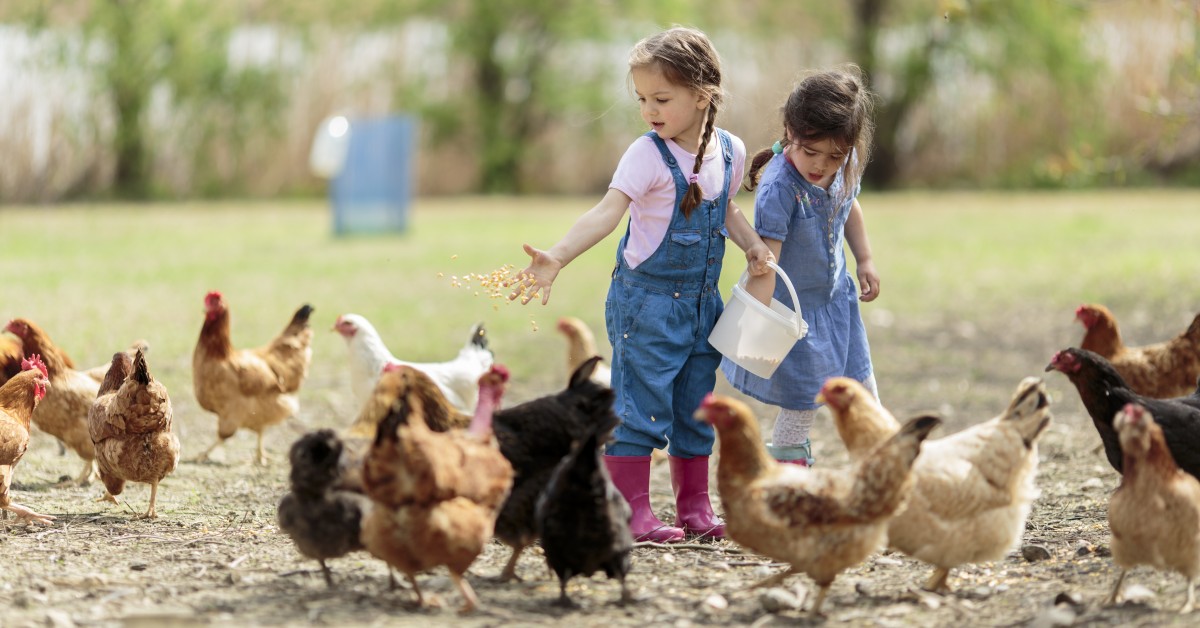
For many, the sound of chickens clucking summons up images of a peaceful rural farm. However, many bird lovers keep chickens in their own backyards, raising them as pets and enjoying a steady supply of fresh eggs in the bargain. If that thought appeals to you, you're probably wondering what you need to know and how to get started on this exciting adventure. Here's an introductory guide to the rewarding world of backyard chicken care.
Why Keep Backyard Chickens?
Bear in mind that no matter how enthusiastic you are about keeping backyard chickens, you must adhere to your local laws and civic codes. Your city may have its own zoning laws about how many chickens residents may keep, if any. Your homeowners association and neighbors may also have strong opinions on the subject. Make sure you know what you might be getting yourself into before you make the leap.
A Word About Eggs
Obviously, the value of having your own personal "egg factory" at home must be weighed against the overall costs of backyard chicken ownership and maintenance. Still, if you really want the freshest eggs you can get, raising your own chickens is certainly a good way to achieve that goal. You won't need a rooster unless you actually want to produce fertilized eggs; if you're just looking for eggs to enjoy at breakfast, you can raise females exclusively so they will give you unfertilized eggs. First-time owners will find it easier to raise pullets, or chickens aged eight to 28 weeks, than to start with day-old chicks.
The chickens you choose to adopt will have a direct impact on when you can expect to see eggs -- and what kinds of eggs you can expect to see. If you want chickens that are ready to lay eggs immediately, you need birds that are over 28 weeks of age. The breed of chicken will also make a difference. The Silver Spangled Hamburg, for example, lays white eggs, while Barred Rocks lay brown eggs and the appropriately-named Easter Eggers can produce a variety of egg colors.
The Ideal Environment for Backyard Chickens
Since chickens thrive in each other's company, you should keep at least four or five of them at any given time if possible. The environment you raise them in should have a feeder, easy access to clean water, easy poop cleanup, and an enclosure that will keep predators and bad weather at bay. A chicken coop obviously offers more protection than a free-range environment. (It will also prevent your chickens from feasting on your garden!)
Chicken coops come in many forms, from simple, shed-like structures to elaborate "houses." Whatever form you choose, make sure it includes a roof to protect your pets from flying predators. The coop should feature an elevated roosting area to indulge chickens' love of perching. In addition to a coop, you should set up an outdoor fenced area called a chicken run for daily exercise and foraging.
As for the floor, wood chips or mulch will serve for bedding as long as you avoid cedar, a known toxin. You may want to place a vinyl sheet underneath the bedding for quicker cleanup.
Feeding Your Chickens
Commercially-produced chicken feed is readily available at local farm supply stores, including specific blends to support nutritional needs at different stages of life. Don't skimp on quality; higher-quality nutrition means higher-quality eggs.
Roomy chicken feeders and automated chicken waterers are essential for keeping backyard chickens well-nourished and happy. Keep an eye on the level of feed in the feeder, topping it off periodically as needed. If you've bought more feed than you can use quickly, be sure to store it in an airtight container that vermin can't get into.
While commercial chicken feed will supply those crucial daily nutrients, you can also feed your chickens occasional treats such as fruits, vegetables, and mealworms. Just keep them away from unripened potatoes, tomatoes, and peppers. These members of the nightshade family can have toxic effects on chickens unless they're cooked before serving.
When to Consult an Avian Veterinarian
Like any other animal, chickens can and do get sick. Poor nutrition or lack of activity can make a chicken lame or limit its ability to produce eggs. Infections can strike both the skin and the internal organs, while parasites can infest the skin and/or digestive system.
If you recognize the signs of an illness or injury, take the affected chicken to a qualified avian veterinarian for diagnosis and treatment. In addition to obvious injury signs, you should watch for droopy wings, skin lesions, changes in the eyes' appearance, paralysis, diarrhea, leg weakness, and facial swelling. Any of these symptoms should prompt you to seek veterinary attention.
Don't overlook the value of preventative veterinary care for your backyard chickens. Certain vaccinations can help reduce your birds' risks for diseases such as infectious bronchitis, laryngotracheitis, a type of cancer called Marek's Disease, and a condition known as fowl pox. These vaccination sessions also give you a perfect opportunity to chat with your vet about any concerns or questions you might have about your animals or backyard chicken care in general. Your beautiful birds are worth the effort!
Ready to start saving money on pet wellness care?
Then take a look at Mint Wellness, the pet wellness plan that provides fast reimbursement on routine pet care. Save on vaccinations, wellness exams, preventatives, dental, and more!
Learn More