Keeping and Caring for Your Pet Duck
Sweet and gentle ducks: with knowledge and the right care these darlings make fun pets!
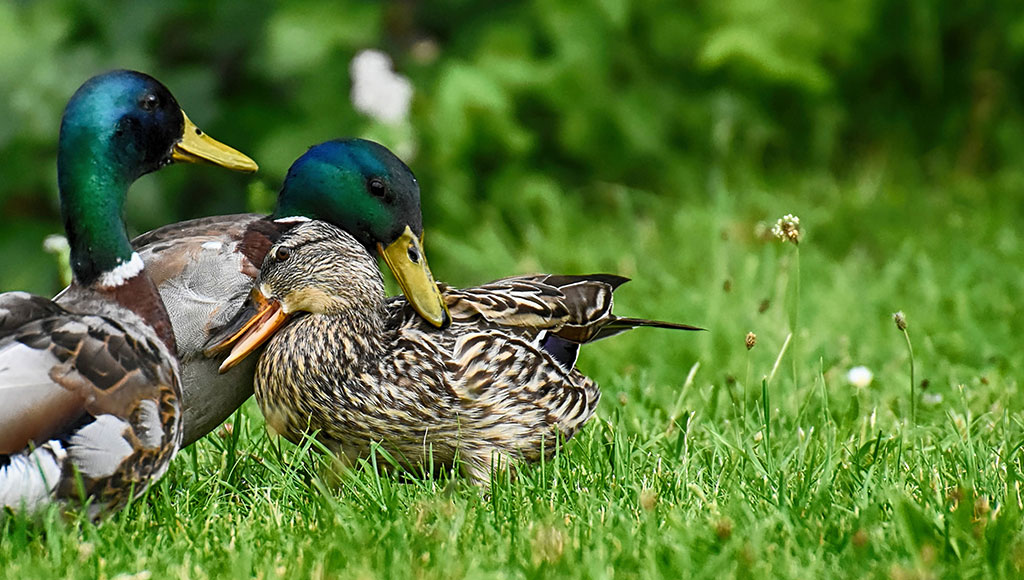
Ducks are wonderfully hardy, inexpensive, and easy to care for. They can live up to 20 years and make gentle and amusing pets. Baby ducklings often find their way into gift baskets, but with some forethought, knowledge, and planning these little darlings can become treasured members of the family. Here is some useful information for those who might be considering a duck as a pet.
Keeping a Duck as a Pet
Please DO NOT keep a duck as a “house” pet. Ducks are NOT suited to an indoor lifestyle. Although it may make you happy to keep your pet duckling indoors, understand that you are being cruel to the duck, as they need to live outdoors. Ducks are social animals that get along very well with each other and seldom fight. They are not solitary creatures and will become depressed and lonely quite easily, which will make it difficult for them to survive or thrive if they do not have other ducks to socialize with. Because they do feel loneliness, isolation, and grief much like humans, leaving a duck alone or caged for long periods of time is not emotionally healthy. NEVER keep just one duck; this is cruel. While it is possible to keep just one duck, it is strongly recommended that you have at least one other duck for company, while having three or four would be best.
Don’t get a duck, or any other unusual animal for that matter, just to be different. Think about the animal's needs, and how to give it the life it needs and deserves, not the life you want it to have.
Fun Facts About Ducks
- Contrary to popular belief, ducks do not require a pond or other open water in which to swim.
- Ducks do not smell or have odor like chickens.
- Ducks are not subject to parasites, fleas or ticks.
- Sexing ducklings is tricky, and so they are usually sold unsexed. When grown, the sexes may be distinguished by secondary characteristics. For example, in some breeds the males have a mainly green head, whereas the females do not. The rules for sexing by color are dependent on the breed. Ducks can also be sexed by their voices from the time they are about 6 weeks old. The females will begin to quack while the males' voices sound hoarse, like they have laryngitis.
Personality Traits of Ducks and Ducklings
Ducks are highly intelligent and emotional creatures. They can understand commands, play with toys, play games, give kisses, and beg for snuggles like other birds if you take the time to work with them. If handled frequently and gently from an early age, ducks will become quite sociable with people. It may take some getting used to, but eventually you will figure out what types of activities your duck enjoys. The more you interact with your pet duck, the quicker you will bond with one another.
Caring for a Pet Duckling
Ducklings must be kept warm and dry for the first three to four weeks. Put a box or cage in a warm place (about 80-85oF, or 30oC), or supply heat with a light bulb. They must be allowed to move into or out of the heat as they choose, so place the lamp in a corner of the cage instead of in the center.
DO NOT leave them with water they can climb into when unsupervised as they could become chilled and possibly drown.
At about 4 or 5 weeks when the ducklings' breasts are covered with feathers, they can be put safely outdoors if it is not too cold. Try to get them used to the outdoors slowly by placing their box or cage outside for longer periods each day. If the weather is nice, they can be outside even when very young.
What do ducks eat?
Waterfowl should always be fed unmedicated feed. For the first two weeks the ducklings should be fed duck starter, which is a special ration for young birds. For weeks 3-7 they should be fed duck grower which is optimal for growth and development. From then on you can feed pullet grower, which is a lower protein, unmedicated chicken feed.
The birds should also have access to GRIT. This is simply ground up stone which they must have to help grind up food in their gizzards (they have no teeth and cannot chew). A bag of #2 grit will last a very, very long time.
Ducks love greens to eat; they will keep your yard free of weeds if you allow them free access. Ducks also love other vegetables and grains and will happily eat your dinner leftovers if they are not spiced too heavily. This includes breads, pasta, and vegetables cut into small bit-sized pieces. Make sure that ALL fresh food is free of herbicides and pesticides.
Ducks require a constant supply of clean water, deep enough to allow them to submerge their head. If you wish to supply water for swimming, try using a plastic wading pool found in toy stores. Just make sure they can get in and out of the pool by themselves. Don't allow the water to get too dirty too. You can use leftover swimming water in your garden or on the lawn for fertilizer so you’re not wasting it.
What kind of shelter does a duck need?
- Ducks need minimal shelter. They should have the option of getting out of the rain, sun, and wind if they choose.
- A good-sized doghouse is quite sufficient for up to four ducks (2 feet by three feet for 2 ducks; 3 feet by 4 feet for four ducks).
- Make sure that the opening faces away from the prevailing winds.
- The house can be insulated, but this is not really necessary. If it gets very cold in your area, make sure that the door can be closed. This is a good idea especially if predators are a problem (this includes the local dogs and cats).
- If there are other pets around (yours or anyone else's), make sure the birds are well protected.
- The house should always be bedded with clean straw or wood shavings.
- Fencing: a three foot (one meter) high chicken wire enclosure will do, as would a nylon garden fence. Use at least ten square feet per bird. If dogs are a hazard, the fence must be at least 4 feet high. Remember to keep the fence flush with the ground. If your yard is well fenced already, you may opt to just let the ducks roam loose in it.
Other Things to Consider Before Getting a Pet Duck
Feces … is a BIG issue to consider. If you are familiar with other exotic birds, then you probably have heard of bird diapering. While the typical bird diaper system sold is suitable for many types of bird, it will not fit ducks or geese. There is a harness similar to the diaper system that will hold a diaper on a duck or goose -- yet not interfere with swimming or preening. Diapers on ducks should be changed on average of every 4 hours and it is relatively easy to do. For those interested in organic gardening, the bulk of the feces tends to ball up and can be easily separated from the diaper and be used for composting or worm farming.
Many local ordinances and homeowner associations prohibit poultry of any sort, and ducks can spread salmonella and avian flu to humans. Salmonella and avian flu can be avoided with the proper precautions. At a minimum, cleanliness and avoiding exposure are paramount in prevention.
If you are considering a duck as a household (indoor exotic) pet, please do your homework and ensure it is the right choice for you. Ducks can live a long time and deserve a happy, healthy home for the duration. As with all pets, remember to contact your veterinarian when you have questions and to schedule checkups on a regular basis to keep your pet healthy and happy.
Ready to start saving money on pet wellness care?
Then take a look at Mint Wellness, the pet wellness plan that provides fast reimbursement on routine pet care. Save on vaccinations, wellness exams, preventatives, dental, and more!
Learn More